
a performance about colour, symbolism and agency
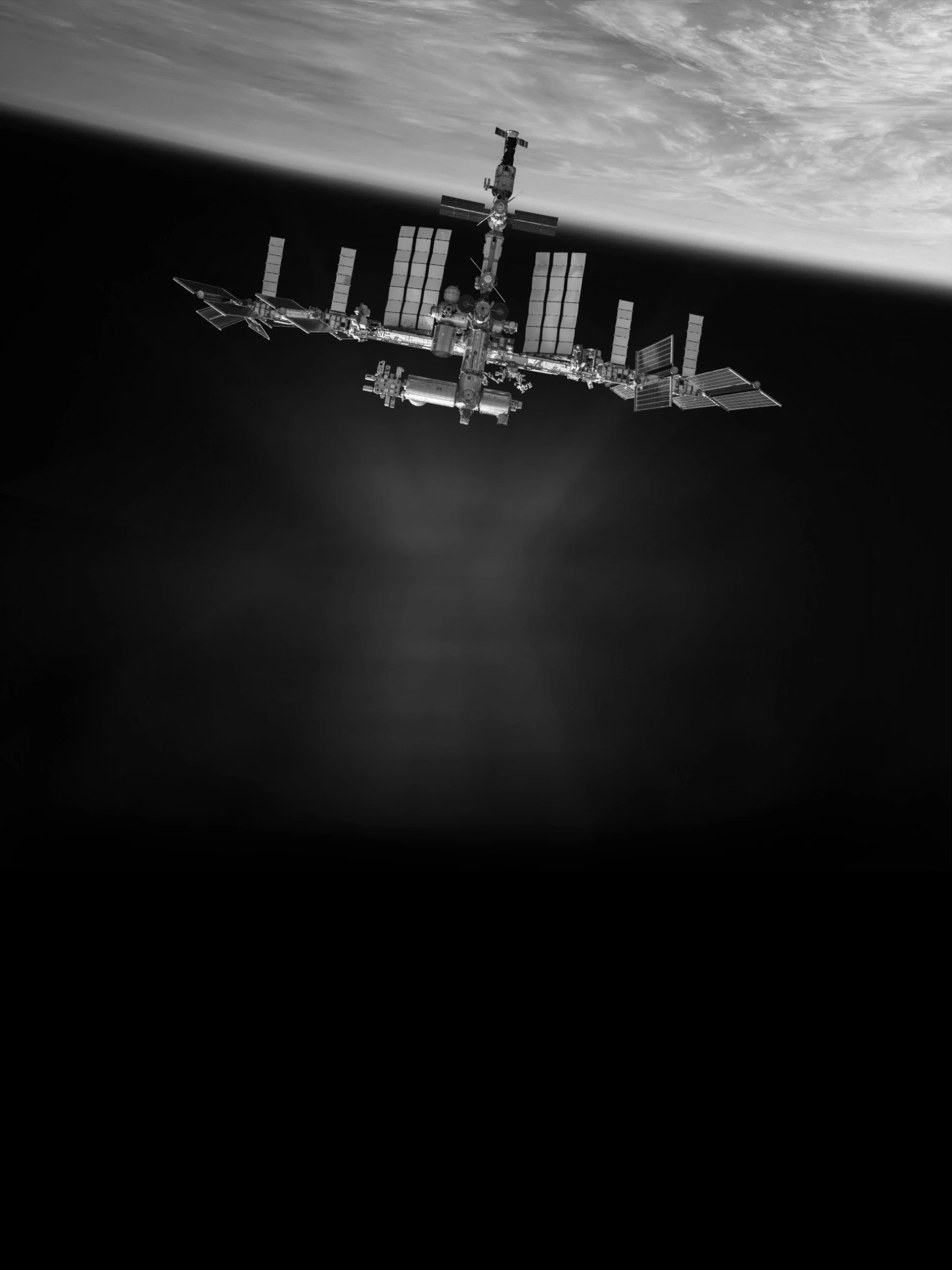
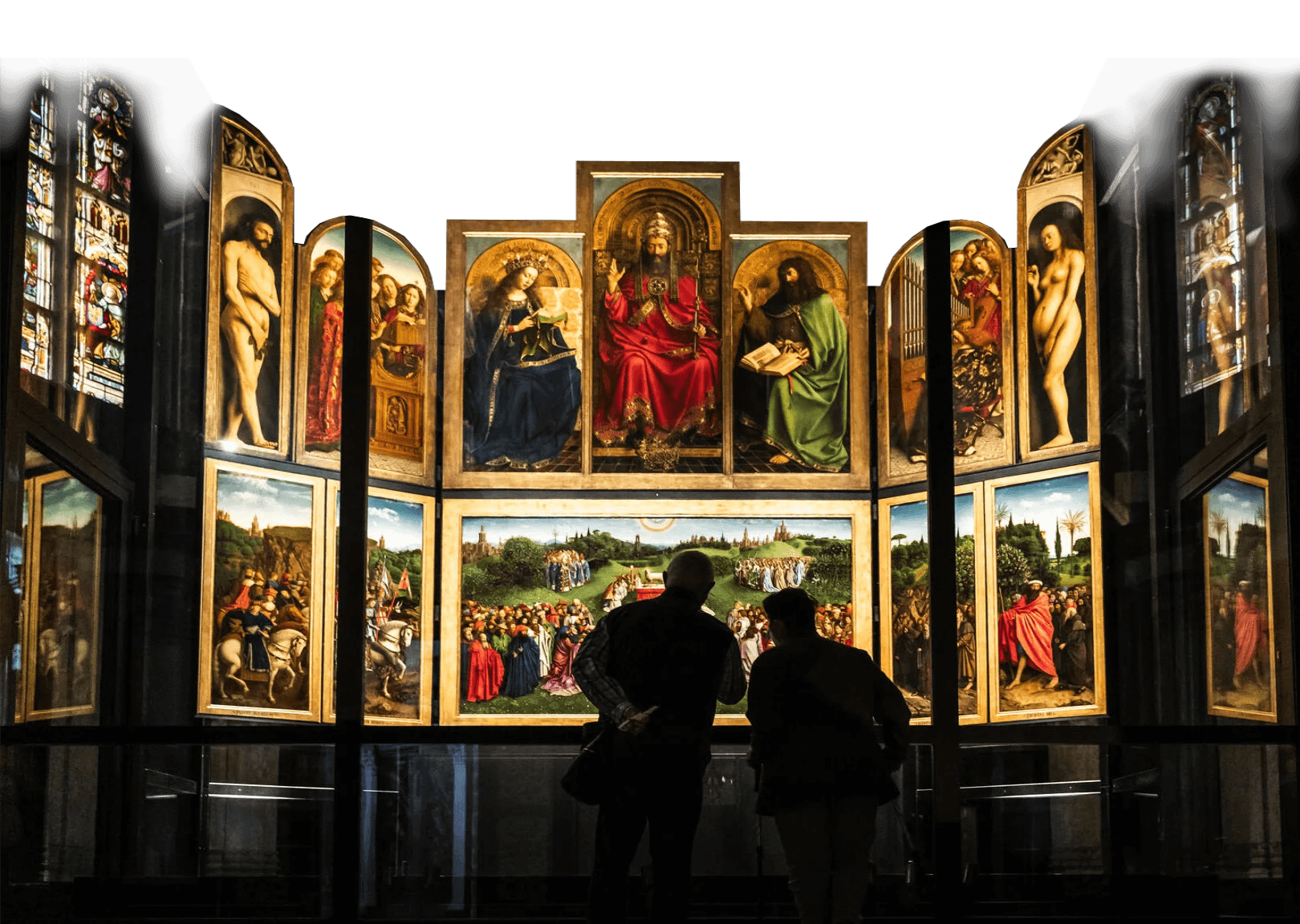
Chromocosmology is a study and artistic practice of colour as it evolves under space conditions.
It unravels as an astromorphic performance in three acts, in which the space environment takes a carefully constructed system of colour and inscribes its own interpretation into it. Space is the co-author.
Act I
What does space do to colour?
Chromocosmology is an astromorphic performance in three acts, and it begins from a single question: not what colour represents, but what space will do to it.
When the Ghent Altarpiece by Jan van Eyck was being restored, I was working as a visual strategist at NASA JPL. Van Eyck and the Flemish Primitives were the technological innovators of their era. Their command of oil painting, glazing, layering, and pigment was without precedent; their colour was not merely decorative but deeply symbolic, a material language coded for the divine and the sublime. What would it mean to translate that ambition - not the imagery, but the underlying logic of technique as symbolic register - into a twenty-first century form? And what if the work were placed in the very environment it is referring to: the untouchable itself?
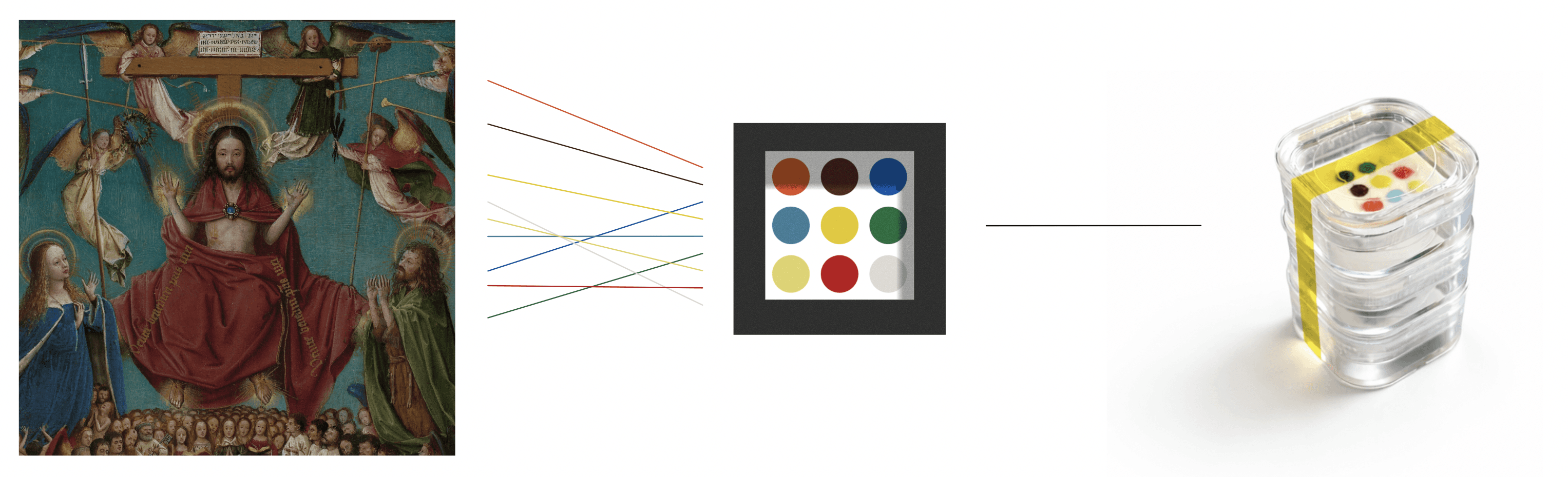
Symbolic colour samples are translated to a set of organic and inorganic pigments that will undergo a predicted change under space conditions.
Chromocosmology is my research into that translation. Its substrate, binder, and pigments are each reinterpretations of the Flemish oil painting tradition, rebuilt for the conditions of outer space. The canvas becomes an alumina ceramic tile - a structurally stable foundation engineered to survive the combination of deep vacuum, extreme radiation, and thermal cycling across hundreds of degrees that would destroy conventional materials in a short time. The oil becomes EPO-TEK 301.2, a high-performance two-component glassy epoxy developed for the space environment, characterised by optical clarity, an exceptionally long working time, and near-zero outgassing. It will essentially survive space. The colours are drawn from the Van Eyck palette, carrying centuries of symbolic weight; but they are not preserved. Using a custom software model that analyses and predicts the behaviour of pure pigments under the specific conditions of low Earth orbit, I selected nine organic and inorganic pigments, each predicted to undergo a distinct and irreversible transformation. Space would take the colour symbolism and inscribe its own interpretation into it.
Predicted colour and luminance shift.
Custom code.
Before the work reaches orbit, however, another apparatus has already been at work. Chromocosmology does not travel to space intact. Ever since its birth it has been a highly compromised work. Mass and volume restrictions dictate its shape and size. Outgassing limits eliminate most usable materials. NASA safety protocols dictate fabrication procedures. Export control regimes, integration timelines, and the regulatory requirement that the work exist not as an artwork but as a scientific experiment - each of these applies pressure to the object before it even reaches space. What launches is already a negotiated work, shaped not only by the artist’s intent but by every institutional and regulatory force that had jurisdiction over its making. In this sense, Act I - the staging - is not merely preparation but it is itself a co-authoring process.

Chromocosmology tile in protective container.
Chromocosmology launched on 16 May 2026 and was carried toward the International Space Station. Astronauts took its protective container and installed it in an airlock. The Canadarm robotic arm will move it to its final position on the ISS exterior: the forward-facing, ram direction of flight, oriented directly into the station’s path through low Earth orbit, where exposure to atomic oxygen, radiation, and thermal cycling is at its most intense. When the container opens, Act I will be complete. Act II - transformation - will begin.

An analog of the artwork lives the same mission under terrestrial conditions.
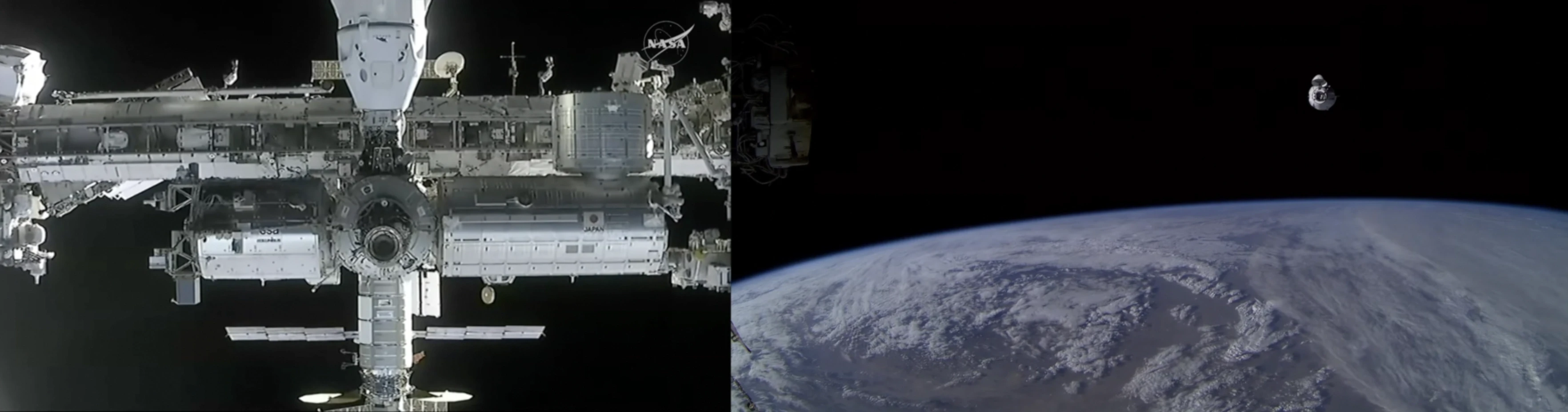
Chromocosmology arrived at the International Space Station on May 17, 2026.