SINCE 2021
PACE-1
Orbital Group Art Exhibition
in Low Earth Orbit
Realtime exhibition location in space
PACE-1
Orbital Group Art Exhibition
What does it mean to curate an exhibition in an environment where nothing unnecessary is allowed?
This question grounded the PACE-1 project. Spacecraft are highly specialised machines where purpose, constraints, and risk tolerance dictate every decision. Introducing art into this domain forces a rethinking of what an exhibition can be, how artworks and machines can exist, and how artists, scientists and engineers might collaborate with disciplines strengthening each other.
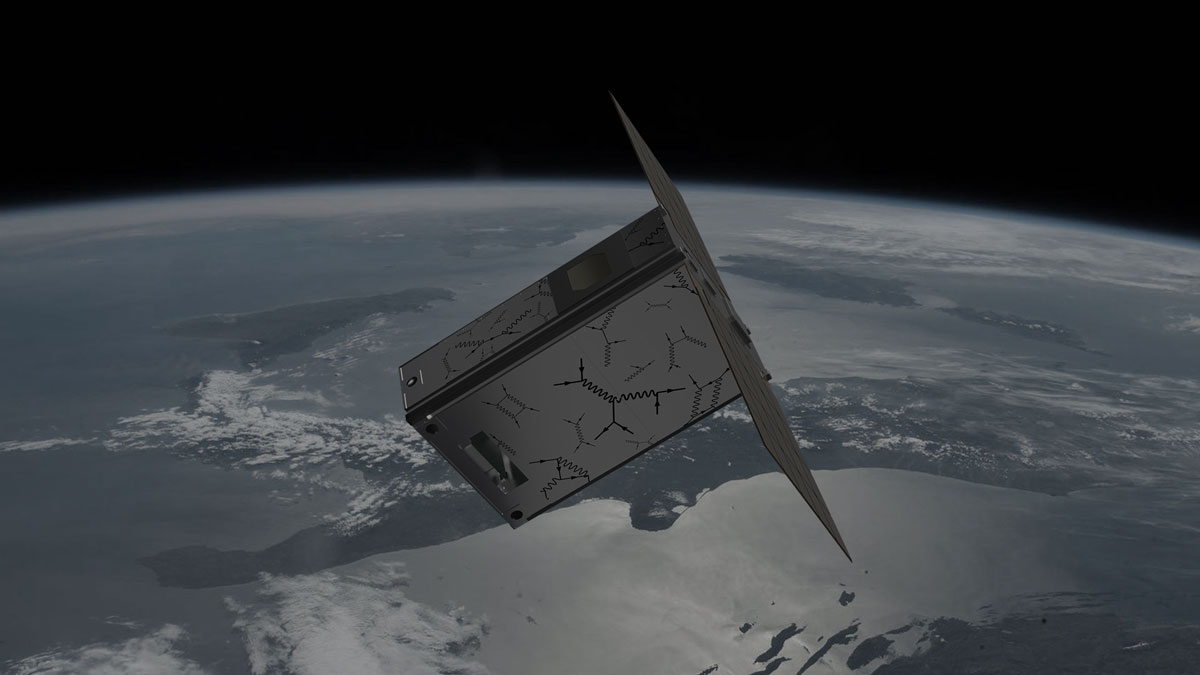
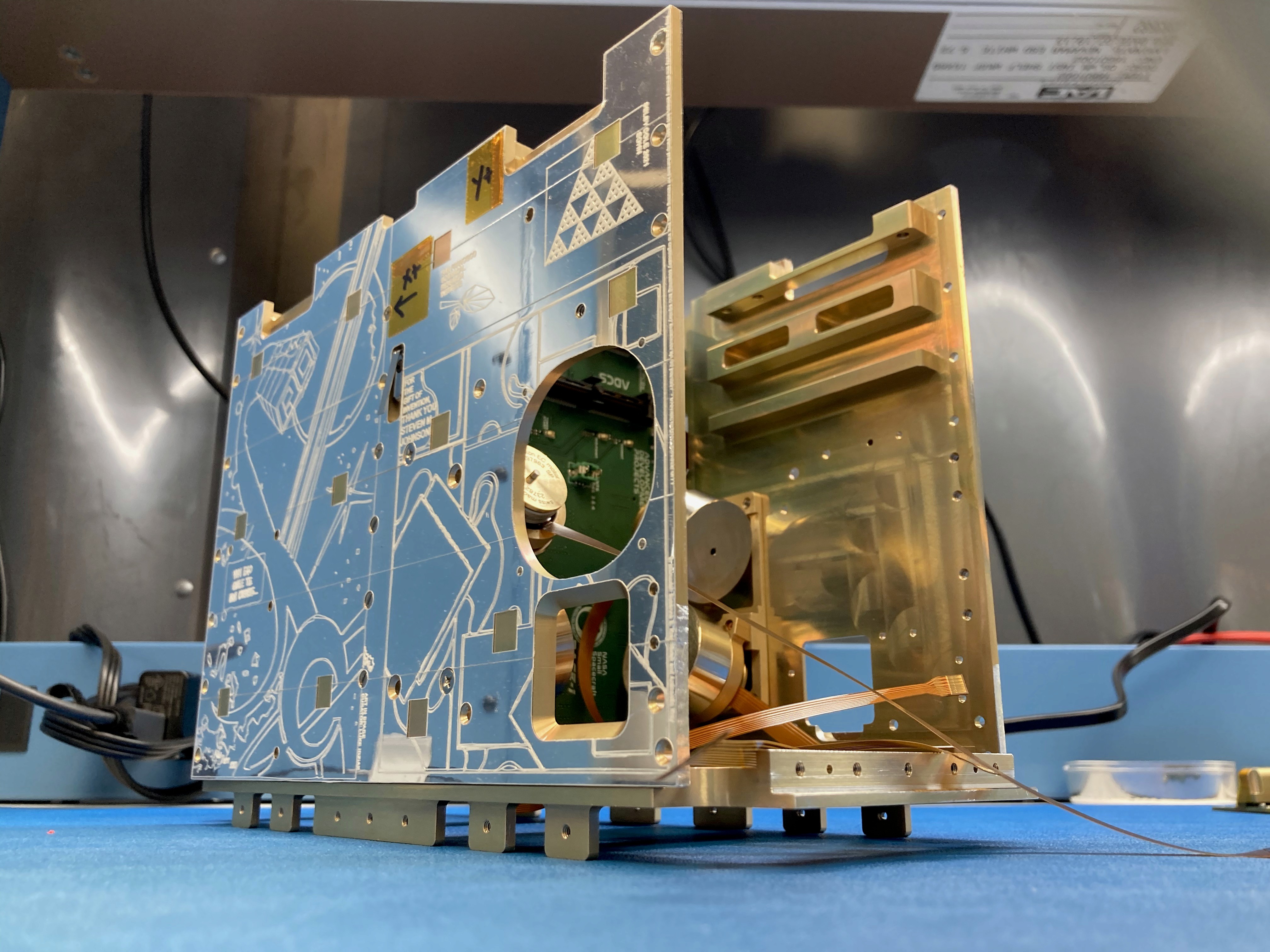
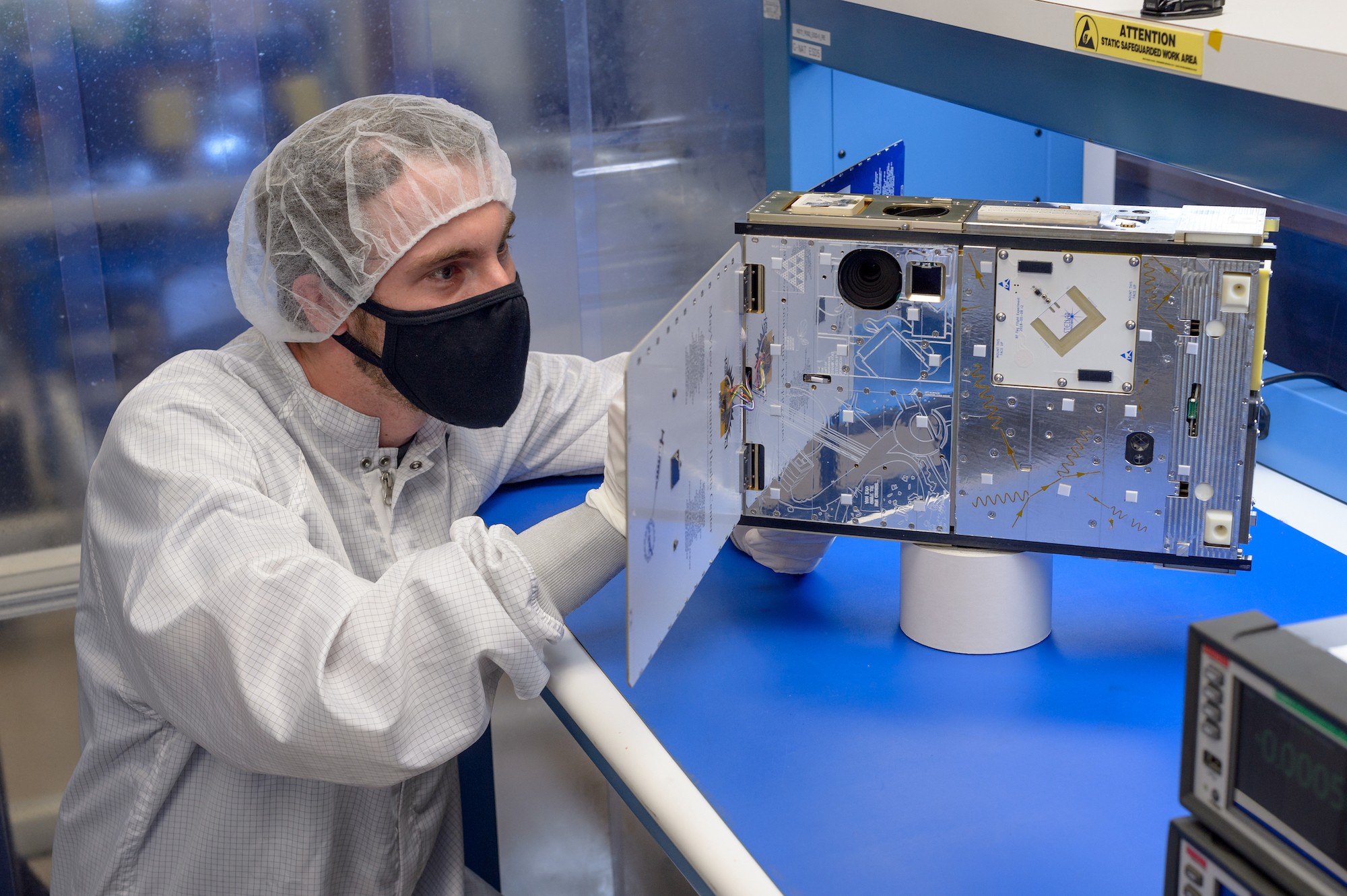
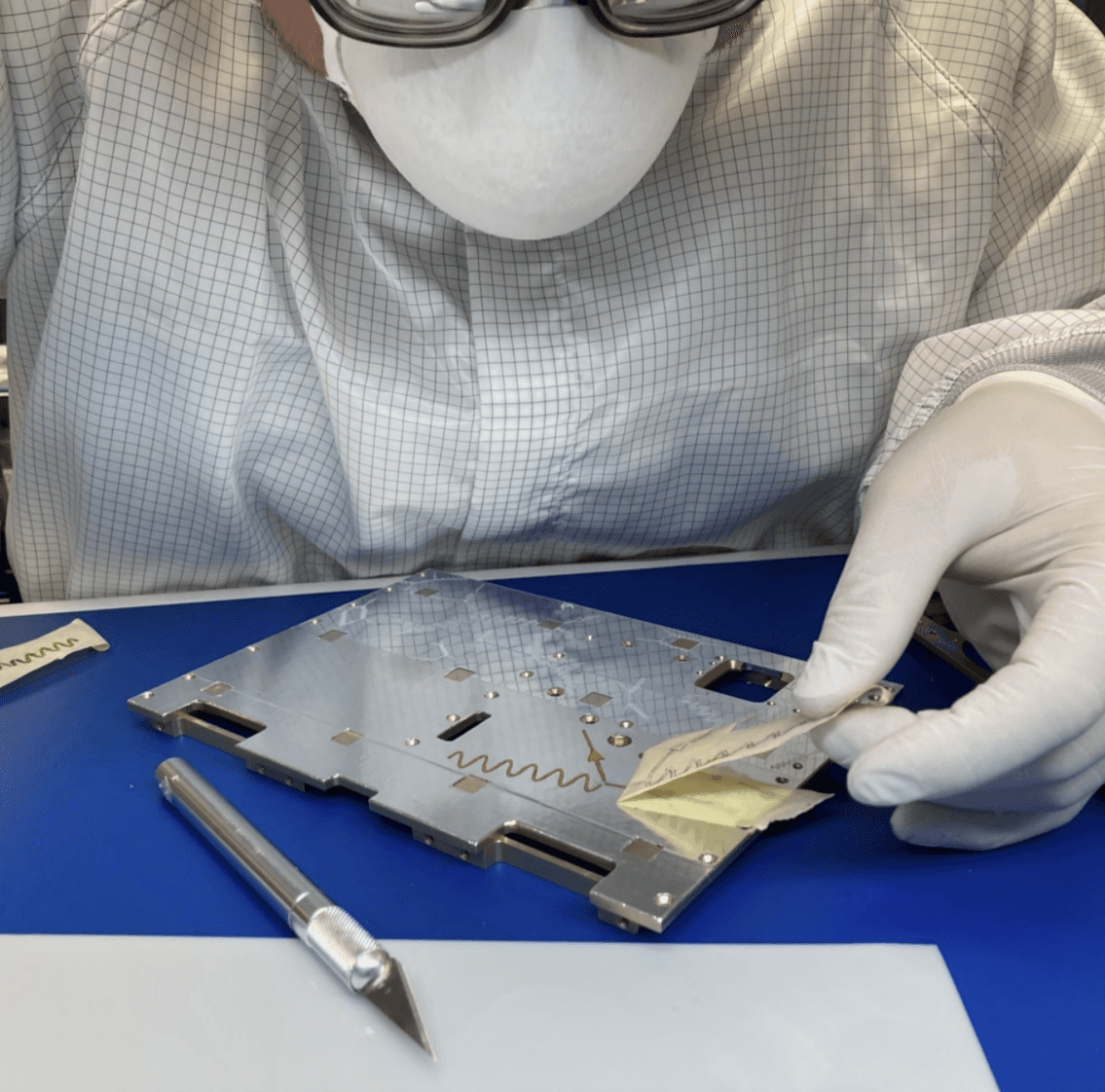
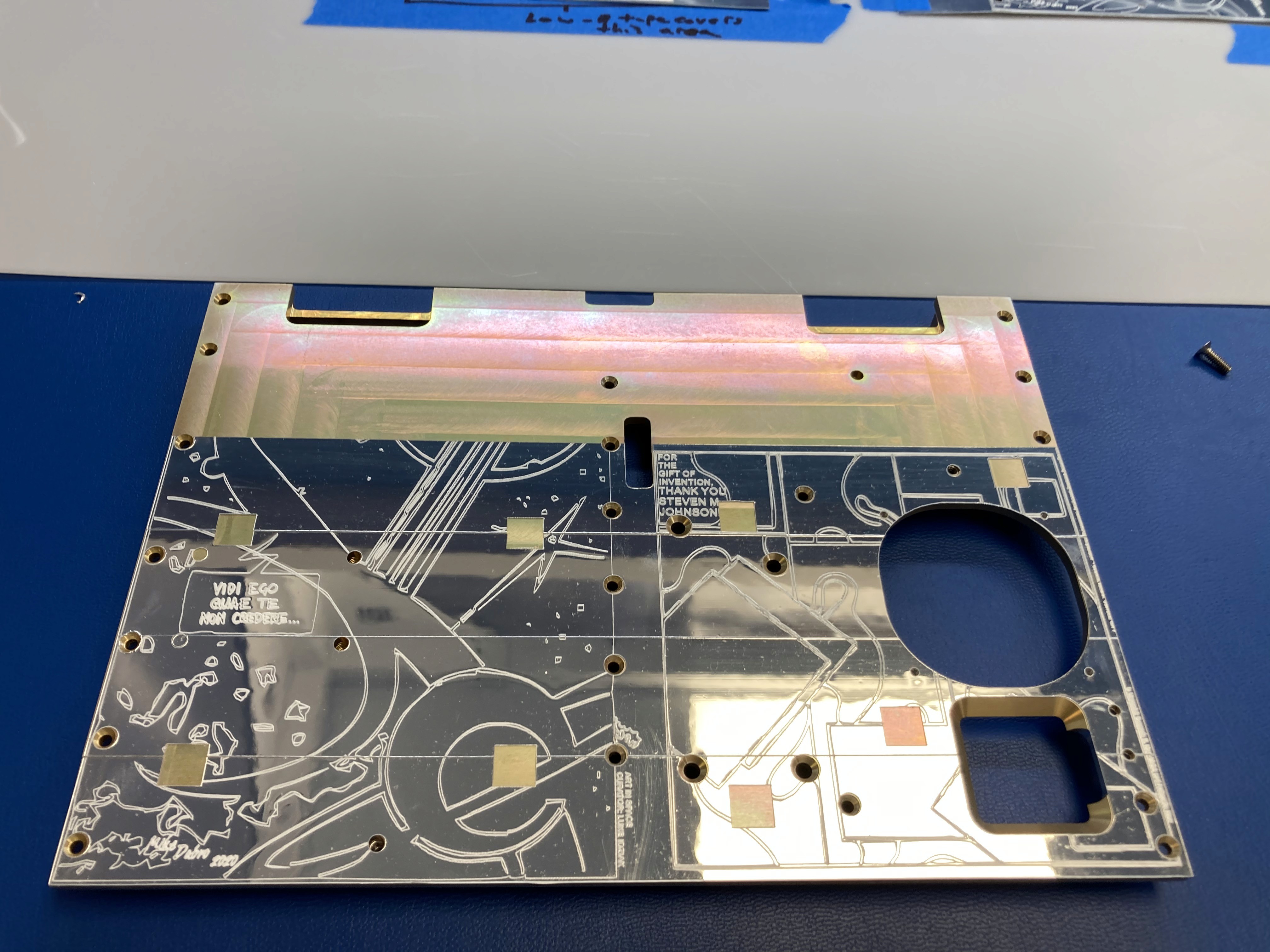
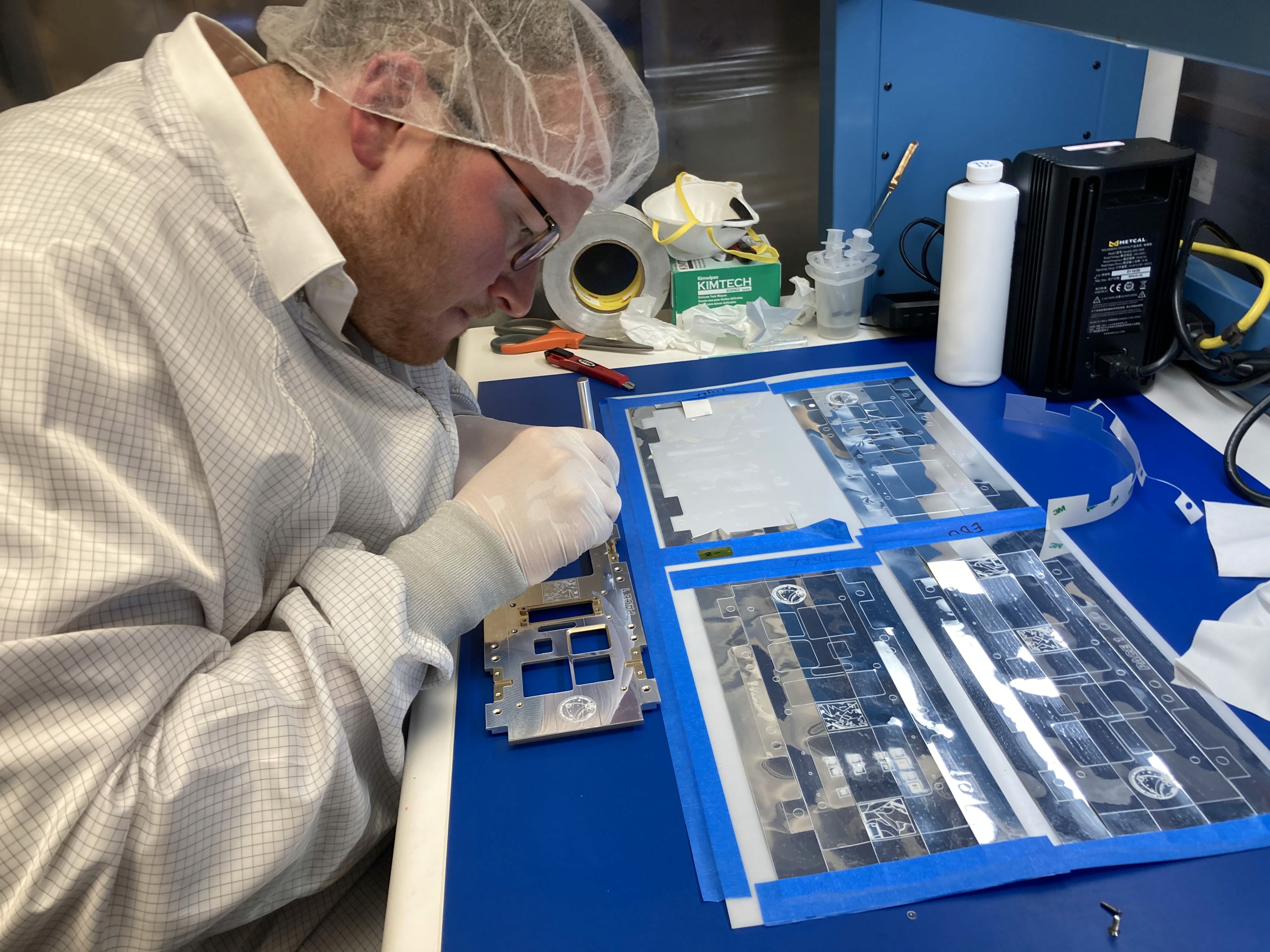
The PACE-1 exhibition began with a simple but radical premise: that a satellite could function as an exhibition site in its own right. Not as decoration, not as outreach, but as a legitimate artistic context shaped by space conditions. Working closely with artists, spacecraft scientists and engineers, the curators developed a method of laser-etching artworks directly into the satellite’s body panels, merging aesthetic mark-making with engineering logic.
PACE-1 flew on NASA’s Payload Accelerator for CubeSat Endeavors platform, which tests and qualifies new space technologies. For the curators, this platform became a cultural technology accelerator as well: a proof-of-concept that complex artistic ideas can coexist with the demands of a functioning space mission without being disguised as science. Art was present on PACE-1 openly, unapologetically, and for its own sake.
Four artists were invited to create new works specifically for this orbital exhibition:
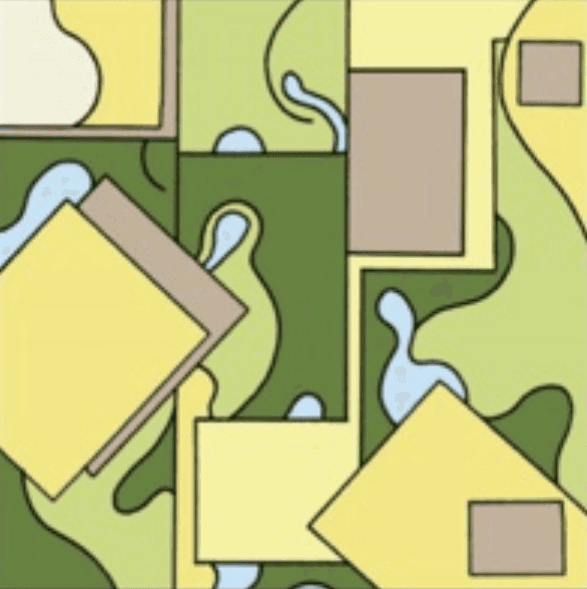
Steven M. Johnson (USA) (The New Hive – Swarm Cityscape) mirrors the satellite’s downward gaze, translating Earth-observation geometries into fictionalized aerial landscapes and imagined cities as echoes of how spacecraft map and interpret the world below.
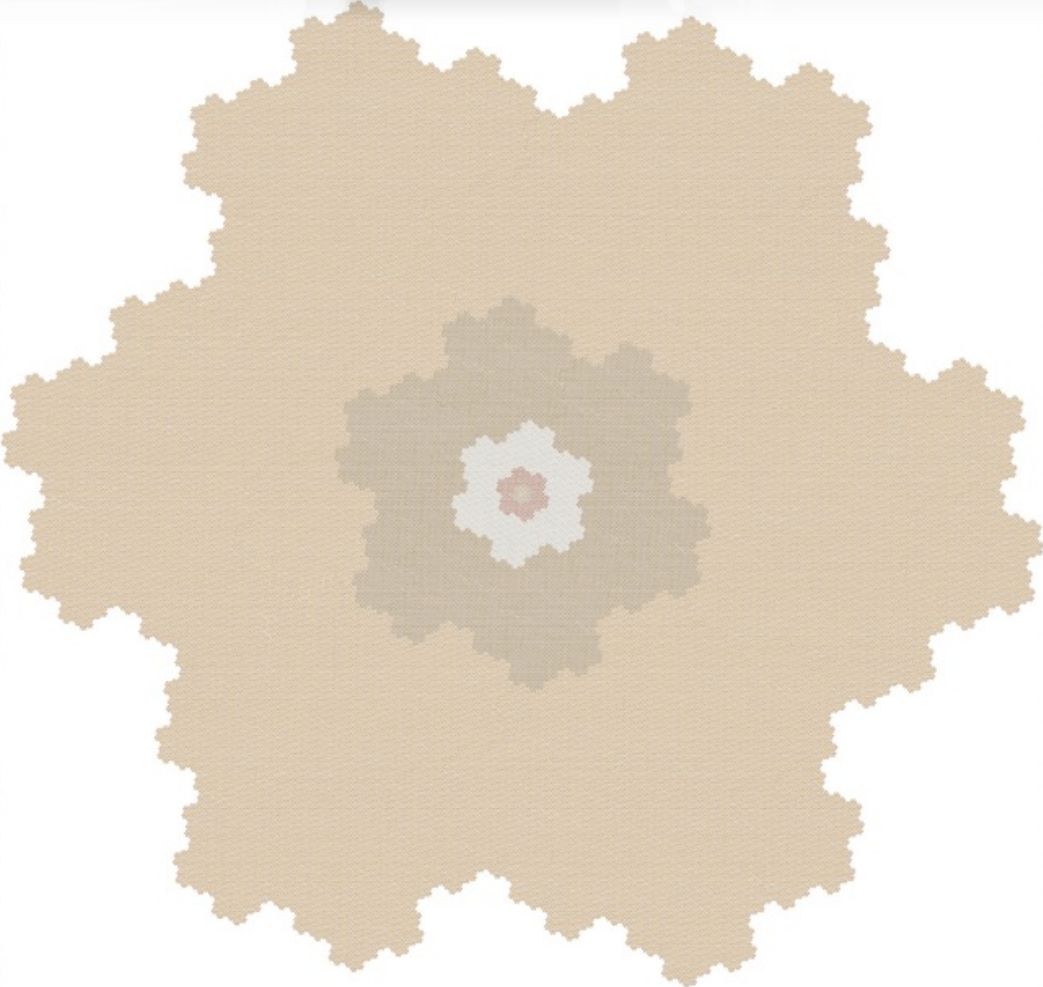
Selby Sohn (USA) (100,000) offers a minimalist memorial to those lost during the COVID-19 pandemic, condensing absence into a single etched pixel per lost life: a shadow that no longer touches Earth, carried instead into space.
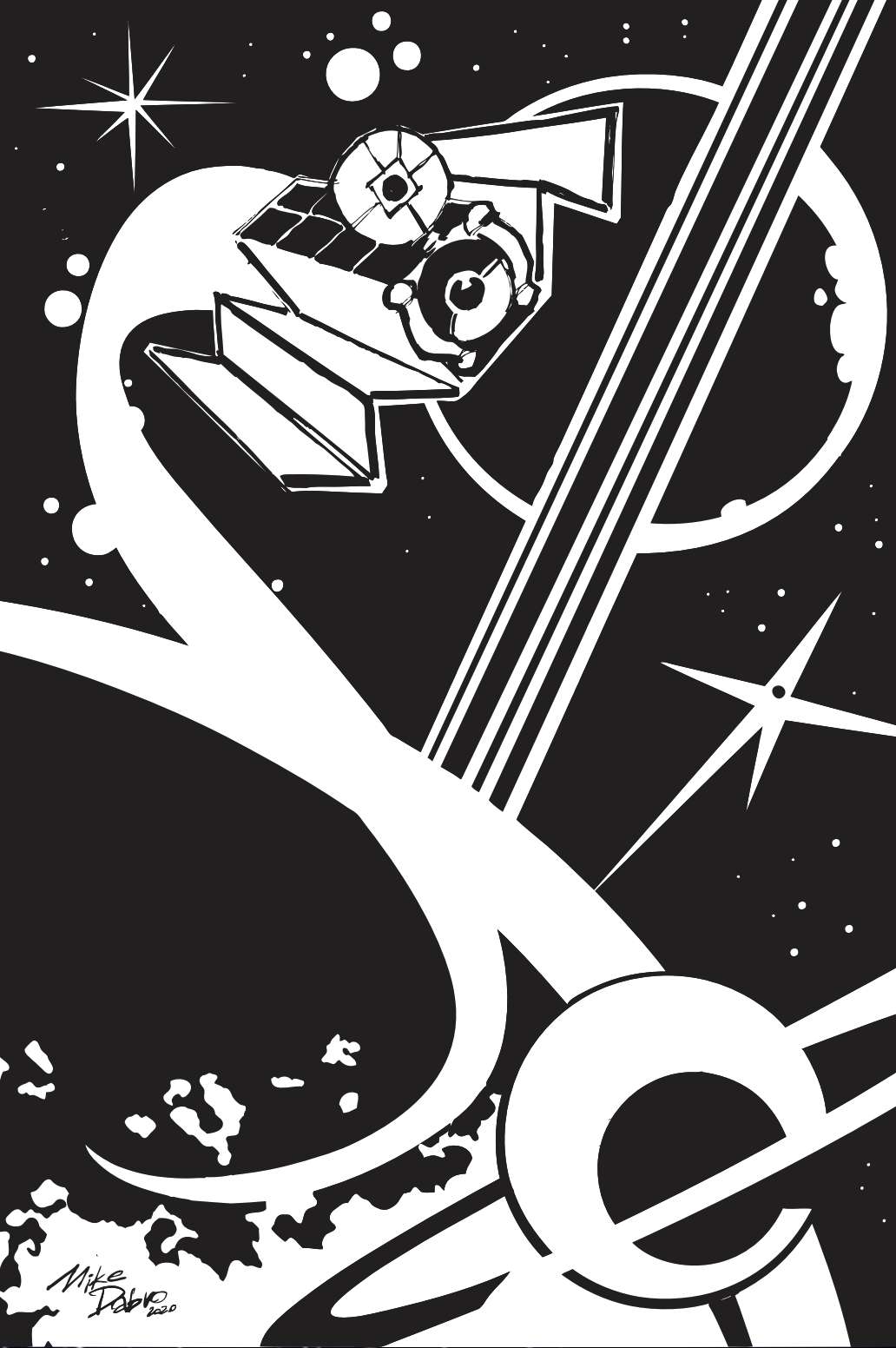
Mike Dabro (USA) (Cosmic Voyager) situates the spacecraft in a playful speculative narrative, imagining it as a traveler encountering the improbable. His work nods to the long human tradition of mythologizing the machines that carry us into the unknown.
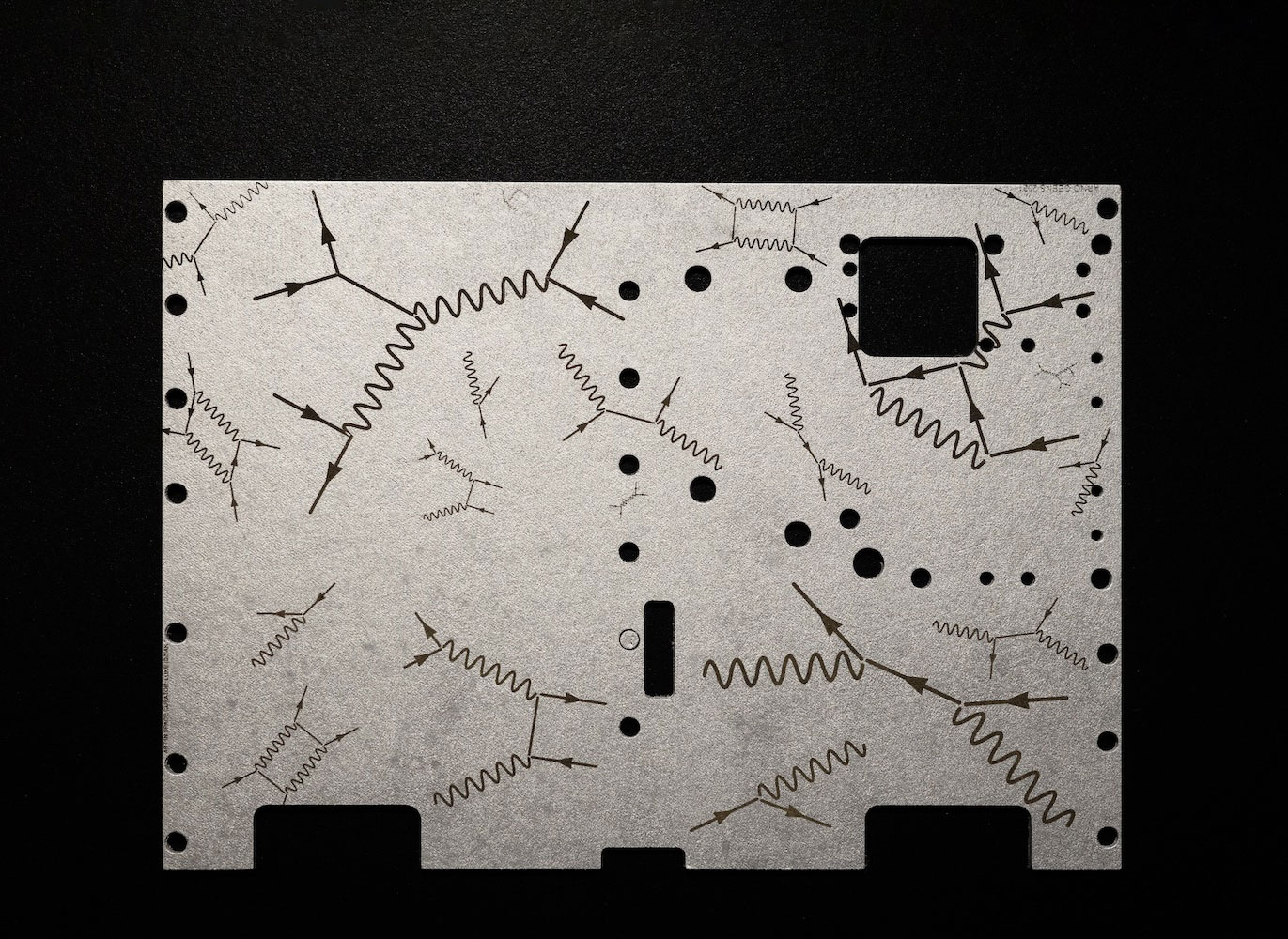
Arno Geens (Belgium) (Feynman) responds to the spacecraft’s scientific purpose—testing new particle-detection technologies—by invoking Richard Feynman’s iconic diagrams of subatomic interactions. Scientific notation becomes an orbital drawing language.
Curating a space exhibition requires a different kind of authorship. It involves mediating between artists’ visions and engineers’ risk assessments, navigating a process where every artistic decision must withstand scientific, operational and regulatory scrutiny. The curators intentionally resisted framing art as secondary to science, or science as merely a conduit for art. Instead, PACE-1 operated as a shared space of negotiation, where the creative and the technical could strengthen one another.
This exhibition does not simply place art on a satellite. It reframes the satellite as an artistic object - an artifact whose meaning emerges from the interplay of mission, engineering, imagination, and inscription. PACE-1 proposes that spaceflight itself can be an artistic medium, and that the machines we send into orbit can carry more than data: they can carry intention, memory, and cultural presence.
Artworks in the exhibition
Space Mission details
Mission:
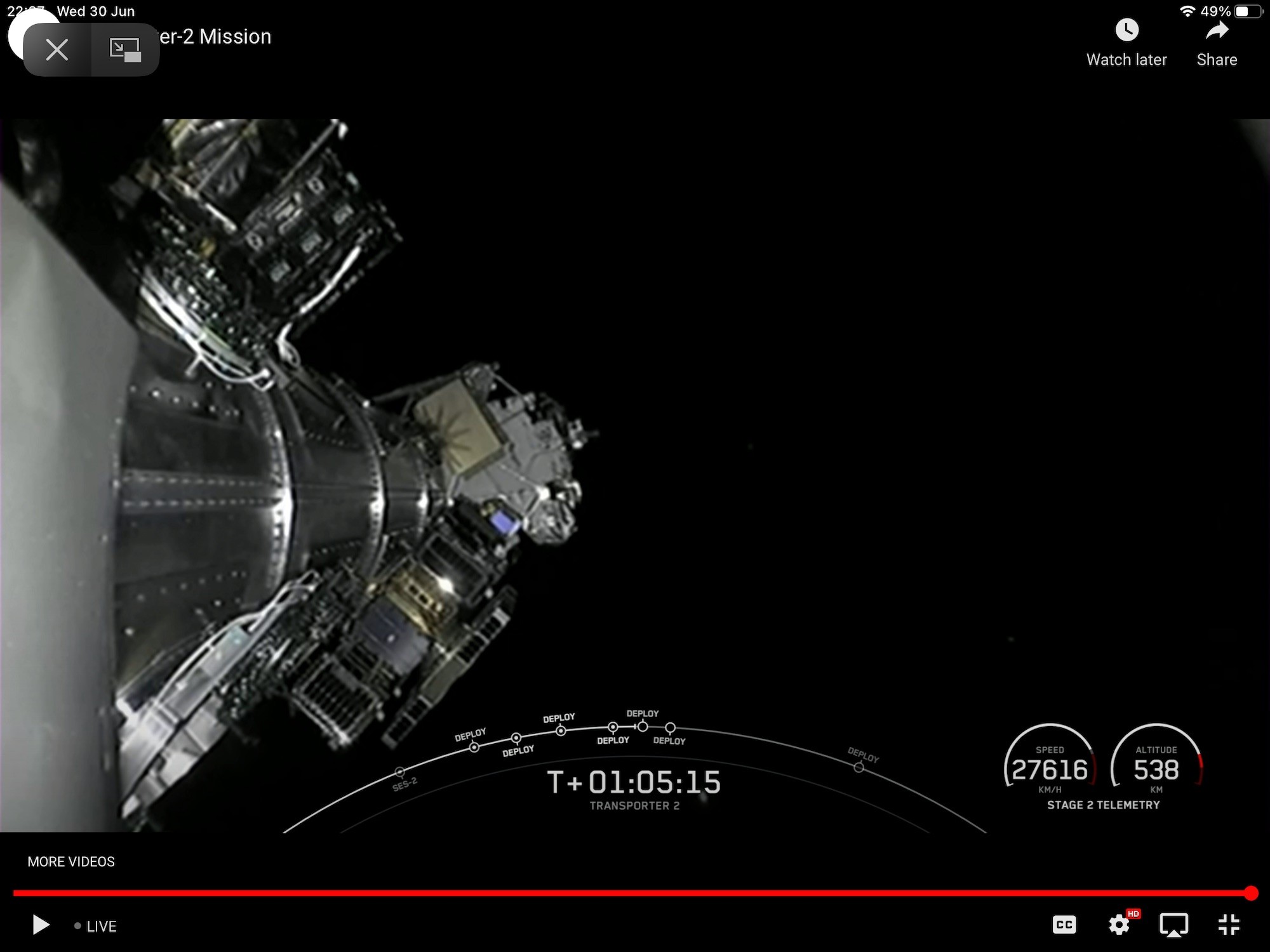
Transporter-2 Rideshare
Launch date:
June 30, 2021
Launch Location:
Cape Canaveral, FL, USA
Launch Provider:
SpaceX
Destination:
Low Earth Orbit (LEO)
Spacecraft:
PACE-1 6U Cubesat
Owner:
NASA
COSPAR id:
2021-059AG
Satellite purpose:
NASA’s Payload Accelerator for CubeSat Endeavors, or PACE, initiative is finding ways to speed up the process of getting small spacecraft technologies ready for prime time. PACE’s goal is to mature technology payloads, from early-stage proof-of-concept models to flight qualification for an operational space mission, all while shortening technology testing timelines.
Curators
Luke Idziak
Arno Geens
Production
The Spacecraft Agency
Artists
Steven M. Johnson (USA)
Selby Sohn (USA)
Mike Dabro (USA)
Arno Geens (Belgium)
Thank you
NASA Ames Research Center
Credits
Images: NASA, The Spacecraft Agency, individual artists
All copyrights remain with their respective creators.